
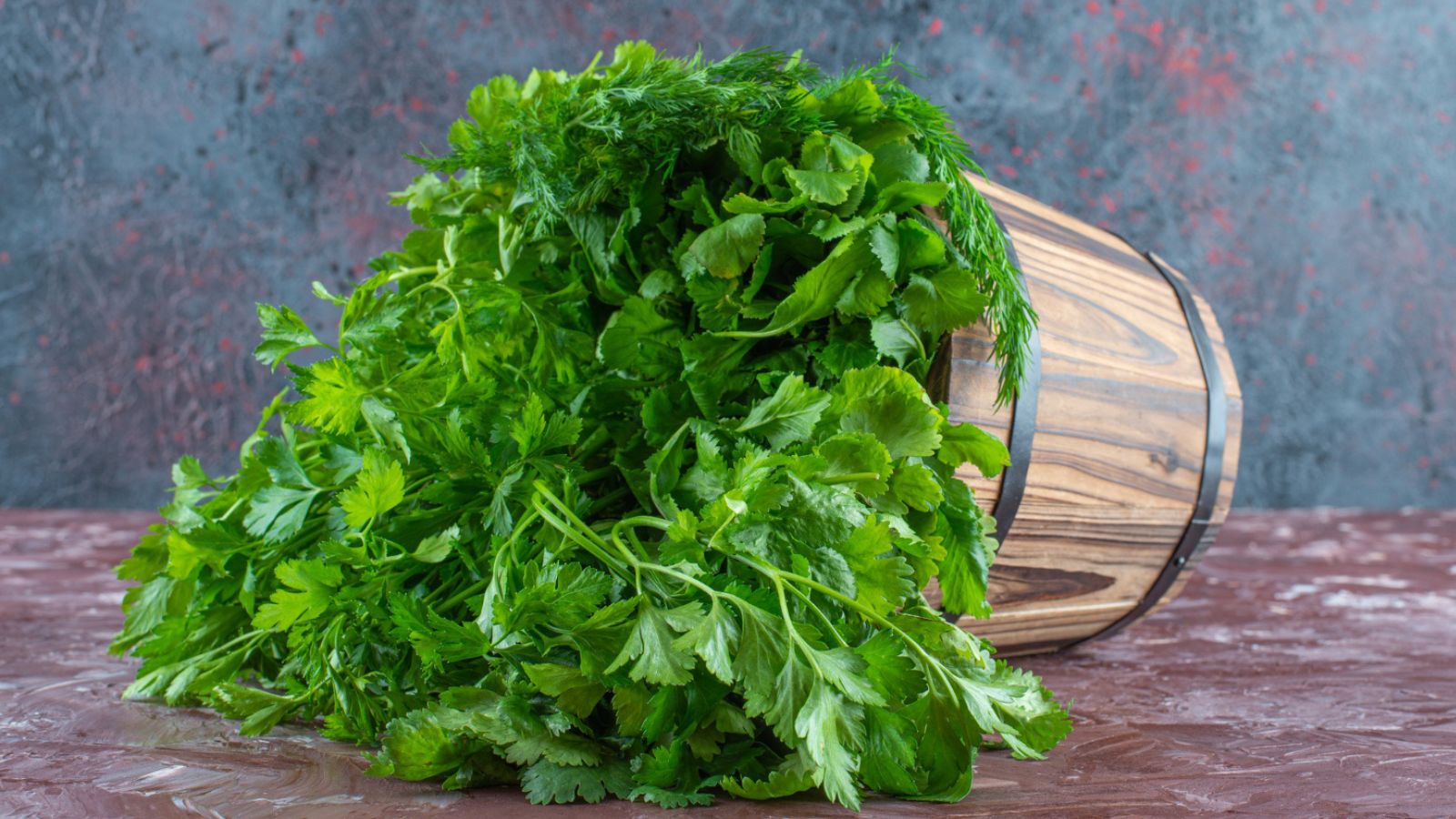
In a world where most vegetables are cultivated for size, sweetness, and visual appeal, some traditional varieties remain closer to their original form. One such example is pravi celer, a term rooted in Slavic languages meaning “true” or “real” celery. Unlike the large, pale-green stalks commonly found in supermarkets, pravi celer refers to a more natural, less-hybridized form of Apium graveolens.
This authentic variety is known for its darker greens, smaller structure, and bold, concentrated flavor. But pravi celer is more than just a stronger-tasting vegetable — it represents a return to traditional cultivation, higher nutrient density, and a deeper culinary heritage.
Understanding the Origins of Pravi Celer
Celery, scientifically classified as Apium graveolens, has been cultivated for thousands of years. Historically, it grew wild across Mediterranean regions and parts of Europe before selective breeding transformed it into the mild, crisp vegetable we know today.
Pravi celer refers to forms of celery that remain closer to their ancestral roots. In many rural areas of Eastern and Central Europe, especially in Slavic-speaking countries, gardeners still grow traditional varieties that prioritize flavor and resilience over size and uniformity.
Unlike commercial celery, which is bred to:
- Have long, thick stalks
- Maintain a pale green color
- Taste mild and slightly sweet
- Last longer on store shelves
Pravi celer tends to:
- Have thinner, more fibrous stalks
- Display darker green leaves
- Offer a strong, earthy aroma
- Deliver a sharper, more herbal flavor
This difference reflects a broader contrast between industrial agriculture and traditional farming practices.
Botanical Characteristics of Pravi Celer
Although pravi celer belongs to the same species — Apium graveolens — its physical appearance can vary depending on regional cultivation.
Key characteristics include:
1. Darker Leaves
The leaves are usually deeper green due to higher chlorophyll concentration. These leaves are highly aromatic and often used more frequently than the stalks in traditional cooking.
2. Smaller, Denser Stalks
Instead of thick, watery stems, pravi celer features thinner stalks with a denser fiber structure. This contributes to its stronger texture and taste.
3. Intense Aroma
Pravi celer has a noticeably stronger scent compared to supermarket celery. When chopped, it releases a bold herbal fragrance that enhances soups, stews, and broths.
4. Greater Resilience
Traditional varieties are often more resistant to pests and environmental stress, as they have not been heavily modified for appearance alone.
Nutritional Profile: Why Pravi Celer Stands Out
One of the most compelling reasons for the growing interest in pravi celer is its nutrient density.
Because it is less hybridized and often grown in smaller, organic-style gardens, pravi celer may contain:
- Higher antioxidant levels
- Increased phytonutrients
- Stronger concentrations of essential vitamins
- More natural plant compounds responsible for its distinctive flavor
Darker greens generally indicate greater levels of chlorophyll and plant-based antioxidants. These compounds play an important role in supporting overall wellness.
While modern celery is often prized for its high water content and low calories, pravi celer offers a more concentrated nutritional experience. Instead of being mostly water, it provides richer plant compounds that contribute to its sharper taste.
Culinary Uses of Pravi Celer
In traditional Slavic kitchens, pravi celer is not just a garnish — it is a foundational ingredient.
1. Soups and Broths
The strong flavor of pravi celer makes it ideal for hearty soups. It enhances bone broths and vegetable stews without requiring large quantities.
2. Herbal Seasoning
Because of its potency, even small amounts can elevate a dish. Finely chopped leaves are often added at the end of cooking for a fresh herbal note.
3. Fermented Preparations
In some regions, true celery varieties are included in fermented vegetable mixes, contributing both flavor and natural preservation qualities.
4. Root-Based Dishes
When grown for its root (celeriac forms of Apium graveolens), traditional varieties offer a stronger, nuttier flavor compared to commercial hybrids.
Pravi Celer vs. Supermarket Celery
The difference between pravi celer and mass-produced celery mirrors the broader debate between heritage crops and industrial farming.
| Feature | Pravi Celer | Supermarket Celery |
| Flavor | Bold, earthy, intense | Mild, slightly sweet |
| Appearance | Darker, smaller | Pale, large stalks |
| Nutrient Density | More concentrated | Higher water content |
| Farming Style | Traditional, small-scale | Commercial agriculture |
| Aroma | Strong herbal scent | Subtle fragrance |
While supermarket celery is convenient and widely available, pravi celer appeals to those seeking authenticity and deeper flavor.
Cultural Significance in Slavic Regions
In many Slavic cultures, the term “pravi” carries a sense of authenticity and integrity. Pravi celer symbolizes something genuine — a vegetable grown the old-fashioned way, without excessive modification.
In rural households, seeds are often passed down through generations. Gardens prioritize biodiversity and flavor over commercial standards. Pravi celer fits naturally within this philosophy.
It is commonly grown alongside:
- Parsley
- Dill
- Garlic
- Carrots
Together, these ingredients form the base of many traditional soups and sauces.
Why Modern Consumers Are Rediscovering Pravi Celer
As awareness grows around food quality and sustainability, more people are turning toward heirloom and heritage crops. Pravi celer fits perfectly into this movement.
Consumers today are increasingly interested in:
- Farm-to-table produce
- Organic gardening
- Heirloom seeds
- Nutrient-rich foods
- Traditional culinary methods
The bold taste of pravi celer may initially surprise those accustomed to mild celery. However, many find that once they adjust, the depth of flavor enhances dishes significantly.
Additionally, gardeners appreciate its resilience. Traditional varieties often require fewer chemical inputs and adapt better to local climates.
Growing Pravi Celer at Home
For those interested in cultivating pravi celer, the process is similar to growing conventional celery, but with an emphasis on quality soil and patience.
Key Growing Tips:
- Use nutrient-rich, well-draining soil
- Ensure consistent watering
- Provide partial to full sunlight
- Avoid excessive chemical fertilizers
- Choose heirloom or traditional seed varieties
Because pravi celer tends to grow more naturally, it may not look as uniform. However, its flavor rewards the effort.
The Flavor Experience
The taste of pravi celer is often described as:
- Earthy
- Slightly bitter
- Herbaceous
- Intensely aromatic
- Peppery with green undertones
This intensity means smaller quantities are needed. It is less of a snack vegetable and more of a culinary enhancer.
In contrast, modern celery is often eaten raw with dips due to its mild flavor and crunchy texture.
A Symbol of Authentic Agriculture
Pravi celer represents more than just a vegetable. It symbolizes:
- Respect for traditional farming
- Preservation of biodiversity
- Appreciation for natural flavors
- Resistance to over-industrialization
In an era dominated by standardized produce, pravi celer reminds us that food once had stronger personalities — sharper aromas, deeper flavors, and closer ties to local soil.
Conclusion
Pravi celer, the “true” celery of Slavic tradition, offers a bold alternative to the pale, mild stalks commonly found in grocery stores. Rooted in the original form of Apium graveolens, it stands out for its darker greens, intense flavor, and higher nutrient density.
